Good architecture connects the ambition
to the everyday. My work lives where
data, platforms and people meet.
Different terrains. A connected way of thinking.
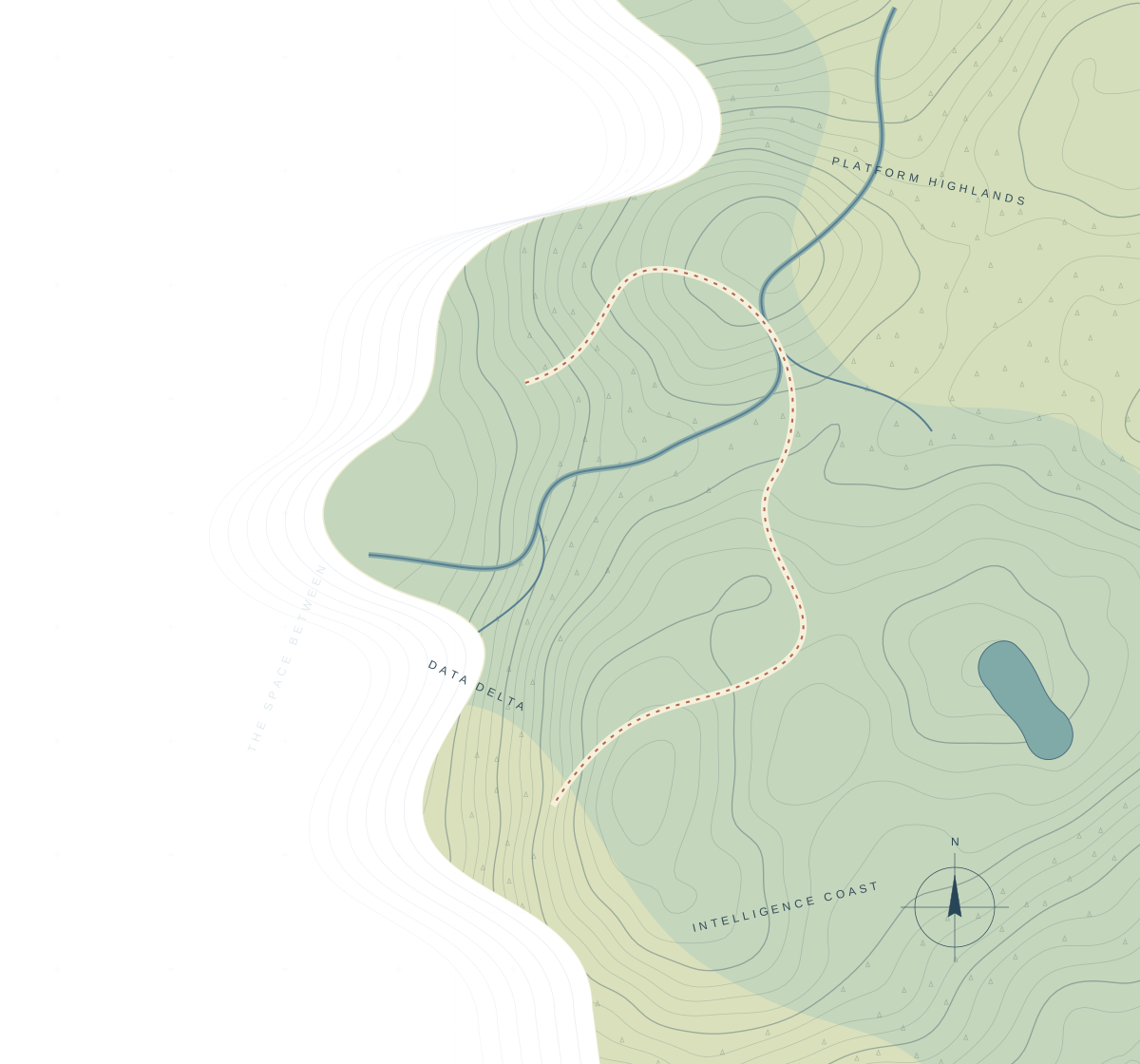
FIG. 01 — THE CONFLUENCEConceptual landscape
Erstream · 2012–2020
Keep the data moving. Keep the foundations strong.
As Data/Platform Architect and Team Lead, I worked at the
intersection of streaming systems, platform design and the
people keeping them running.
Up to 2 millionmessages per second, streaming service
capacity
150on-premise servers across data transfer
systems
FIG. 02 — COMMON GROUNDConceptual landscape
EPAM & Lingaro · 2021–present
A shared foundation. Room for every domain.
From Azure platform leadership and governance at EPAM to
Microsoft Fabric architecture at Lingaro, I connect platform
decisions with the needs of teams, domains and regions.
Azure → FabricCloud and data platform architecture
Built to repeatTerraform, Azure DevOps and architecture
governance
FIG. 03 — NEW HORIZONSConceptual landscape
An evolving area of practice
New possibilities. Grounded in context.
My current practice includes AI initiatives, LLMs,
retrieval-augmented generation and agents. I bring a
platform architect’s attention to the data and systems that
make intelligence useful.
LLMs & RAGConnecting models with relevant context
People firstMentoring and collaboration alongside technical
exploration
Tools for the terrain
Microsoft Azure
Databricks
Microsoft Fabric
Terraform
LLMs / RAG / Agents
02 / The journeyExperience is a landscape, too.
15+years of experience
Every chapter. A wider perspective.
From the velocity of streaming data to the reach of enterprise
cloud. A route shaped by building, leading and learning.
2012—2020
Erstream
Data/Platform Architect & Team Lead
Streaming at scale. Data movement across on-premise
infrastructure. Technical leadership close to the systems.
2021—2024
EPAM
Lead Data Engineer → Azure Data Analytic Platform Solution
Architect
Platform team leadership, architecture governance and
infrastructure as code with Terraform and Azure DevOps.
2024—PRESENT
Lingaro Current chapter
Senior Solutions Architect Since September 2024
Microsoft Fabric architecture across domains and regions. Senior
IT stakeholder collaboration, mentoring and AI initiatives.
N
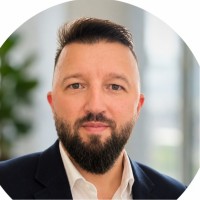
Fuat YılmazArchitect. Mentor. Explorer.BASED IN WARSAW, POLAND
03 / The person behind the map
Architecture is technical. Progress is human.
I work across the space between technology and the people it needs
to serve. That means listening to senior stakeholders, finding a
shared direction and helping teams grow into the architecture they
build.
My foundation is in Computer Engineering at Istanbul Technical
University. My perspective keeps expanding through hands-on work,
mentoring and the questions that new technologies bring.